If nutrition is a sport, it has no casual fans. Supporters of Team Protein, the 2025 champions, are numerous and passionate, backed up by a sprawling industry of protein-supplemented products such as popcorn, soda, and cereal. Also popular is Team MAHA, captained by Health Secretary Robert F. Kennedy Jr., which endorses “real foods,” especially red meat and dairy. The Dietitians are veteran players with an old-school strategy: going heavy on plants and light on saturated fats. Alongside underdogs like Team Keto and the Vegans, there are the Fiber-Maxxers, upstarts whose popularity has soared alongside sales of fiber-filled cookies, powders, and drinks.
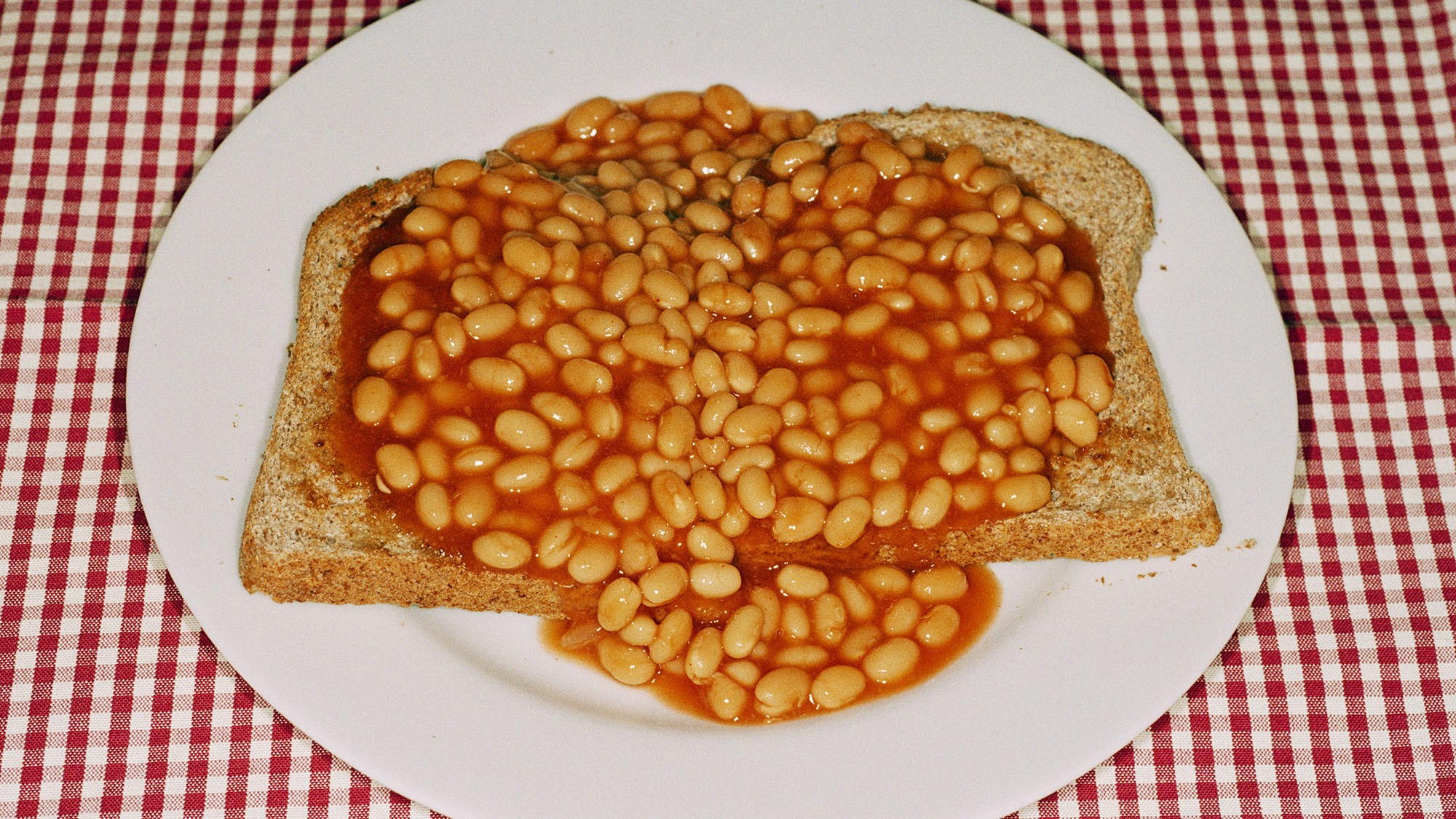
As in any fandom, choosing one team can mean demonizing the others’ stars: MAHA partisans despise the Dietitians’ low-fat milk, and the Fiber-Maxxers sneer at Team Protein’s constipating supplements. Yet there is one player that any team would gladly welcome. It’s packed with fiber and protein. Kennedy would call it a “real food.” It’s plant-based, widely available, and incredibly affordable. It is the homeliest and humblest of foods: the bean.
Beans have a lot going for them. (The term beans is often deployed as a catchall term for the larger family of legumes, which includes beans as well as a subset called pulses; here, I’m talking about all of them.) These tiny packages pack a nutritional punch—so much so that the advisory committee for the 2025 U.S. Dietary Guidelines recommended upping the daily serving size of legumes and promoting them as a protein source over meat and seafood. (The meat-happy published guidelines did not incorporate this suggestion.) Navy beans, for example, are especially fiber-dense, and lentils are protein powerhouses. To the farmer, beans are a boon: The plants store nitrogen in their roots, so they require less fertilizer and leave soil healthy once they’re harvested. They are significantly gentler on the climate than meat. Cooked well, they are creamy, tender, and excellent vehicles for flavor.
[Read: If everyone ate beans instead of beef]
Even the most skilled player can’t excel at everything. Dried beans take time and effort to cook. Expert technique can make them delicious, but they’ll never be as succulent as steaks. And yes, they can cause horrible gas, especially among bean novitiates—that is, most Americans. Unlike, say, Mexican or South Asian cuisines, American food is not particularly bean-heavy. Americans consume roughly 60 pounds of beef annually, but only about nine pounds of beans.
The discrepancy is partly because of beans’ lackluster image. Bean companies “might need a little bit of extra oomph in the marketing department,” Jonna Parker, a produce analyst at the industry-research firm Circana, told me. Zach Conrad, a nutritional epidemiologist at William and Mary, recently co-authored a study showing that most Americans don’t eat enough beans to meet the recommendations of the Dietary Guidelines advisory committee. The paper also noted that beans, owing to their relative cheapness, have a stigmatizing association with poverty. “At a nice restaurant, on a date, most people are not going to get a bean salad,” Conrad told me.
But a confluence of changes in American life are making beans a more attractive choice. Other humble foods, such as tinned fish and cottage cheese, have lately experienced a bump in their status, thanks in part to the nation’s ongoing protein obsession. The protein in beans isn’t as easy for the body to absorb as that in animal products, so you have to eat more to get the same amount, Conrad said, but the conversion is hardly unreasonable. Opting for beans also helps square some of the conflicting nutritional advice in the 2025 Dietary Guidelines. The latest version newly emphasizes protein consumption, but also maintains firm limits on saturated fat, which is plentiful in red meat and associated with a higher risk of heart disease and stroke. As my colleague Nicholas Florko has noted, meeting those standards with animal products would be a challenge. But with beans, it’s almost trivial.
Lately, food costs have become eye-wateringly high, particularly for protein. Beef prices were nearly 15 percent higher in September 2025 than they were a year earlier; this year, chicken will likely become less affordable too. Kennedy recently encouraged people to embrace offal as a more affordable source of protein. Even canned foods have become more expensive. Yet beans, canned or otherwise, are still one of the cheapest protein sources around. A can of navy beans costs about a dollar and contains nearly the same amount of protein as a McDonald’s Quarter Pounder.
[Read: America’s grocery lifeline is fraying]
If the nutritional, environmental, and financial benefits aren’t sufficient reasons to root for beans, take note of their recent makeover. Beans are no longer “what Grandma used to make,” Parker said. American culinary enthusiasts have been experimenting with them since at least the early 2000s, but bean innovation really took off in the early days of the coronavirus pandemic, when people adopted pantry cooking as a matter of staying safe, budgeting, and passing the time, says Bettina Makalintal, a senior reporter at Eater whose popular Instagram account is filled with alluring photos of stewed legumes. Well-known recipe developers including Alison Roman—who in 2021 helped propel the “brothy bean” into culinary-world ubiquity—elevated beans further. The food influencer and model Pierce Abernathy gives beans the gourmet treatment with ingredients such as salsa verde and bottarga. Abernathy, whose bean recipes include lesser-known varieties such as Anasazi and gigante beans, is among a growing number of heirloom-bean enthusiasts; Rancho Gordo, an heirloom-bean company, runs a subscription club that reportedly has 29,000 people on its waitlist.
Food companies are riding this leguminous wave, introducing bean-based products with unexpected flavors and convenient formats. The vibrantly branded canned-bean stews from Heyday Canning, launched in 2020, include products such as kimchi-sesame navy beans, harissa-lemon chickpeas, and vodka-sauced cannellini beans. A brand called Lentiful sells individually packaged, microwavable lentil stews in flavors such as Thai Coconut Curry and Lemon Mediterranean, marketing them as grab-and-go lunches. Lentil Telepathy, which launched in 2023, specializes in air-toasted crunchy lentils that can be eaten as snacks or salad toppers, as in the case of the peri-peri and salt-and-vinegar varieties, or as breakfast cereal, if toasted-marshmallow or chocolate lentils hold more appeal. Bean dips can be scooped up with bean chips. Should you prefer a lighter bite, a line of jarred fermented-bean salads is due to launch next month.
“Americans are finally catching up to what much of the world has known for centuries,” Ben Bacon, a co-founder of Lentiful, told me: Beans are a main course, not just a side. Steve Sando, the founder of Rancho Gordo, told me that he hopes the beanthusiasm is here to stay. “Being the flavor of the week is kind of fun, but I really want people just to incorporate beans into the American diet,” he said. Team fandoms, of course, run deep. But no matter where allegiances lie, everyone should be able to agree that beans are the MVP.